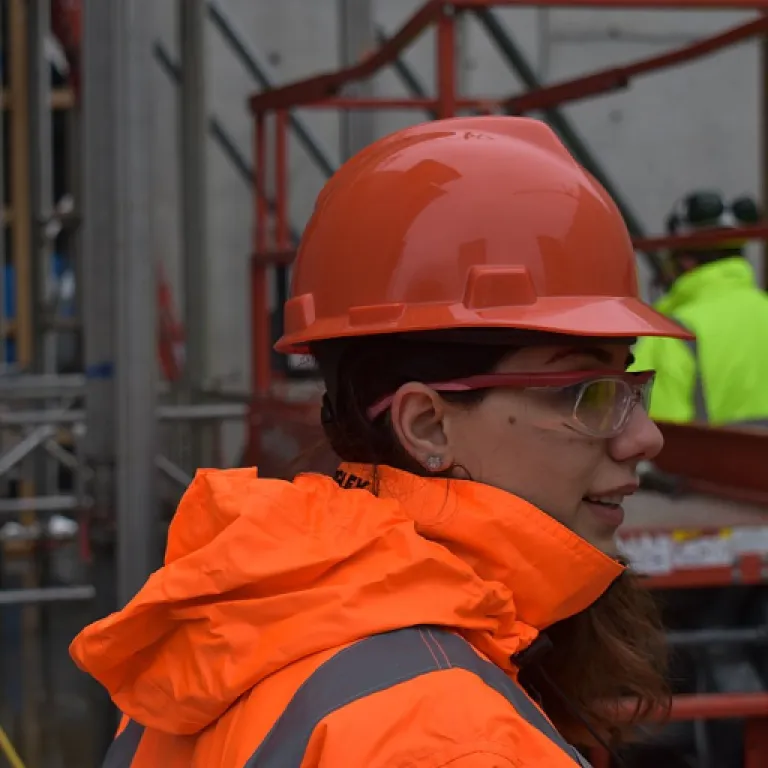
Understanding the importance of professionalism in the workplace
Why Professionalism Matters for Every Workplace
Professionalism is more than just following a dress code or using polite language. It is a set of behaviors, attitudes, and skills that shape how people interact, solve problems, and contribute to a positive work environment. In today's diverse workplaces, professionalism is essential for building trust, encouraging effective communication, and supporting both personal and organizational growth.
Benefits of Professionalism for Learners and Organizations
- Improved Communication: Professional behavior encourages active listening, constructive feedback, and clear messaging, which are vital for teamwork and collaboration.
- Emotional Intelligence: Developing emotional intelligence helps people manage stress, resolve conflicts, and maintain a positive attitude, even in challenging situations.
- Critical Thinking and Decision Making: Professionalism training often includes strategies for critical thinking and effective decision making, which are crucial for problem-solving in the workplace.
- Growth Mindset: A focus on lifelong learning and personal development helps learners adapt to change and pursue continuous improvement.
- Positive Work Environment: When employees demonstrate professional behavior, it fosters respect, trust, and a sense of belonging among team members.
Professionalism Training: A Foundation for Success
Many organizations offer free courses and skill-building initiatives to help employees at every level develop professionalism. These courses will cover topics such as business casual etiquette, effective communication, emotional intelligence, and thinking skills. Whether you are at a beginner level or seeking advanced professional development, there are learning opportunities designed to fit your needs.
By investing in professionalism training, companies empower learners to build the skills workplace demands today. This commitment to personal and professional growth not only benefits individuals but also strengthens the entire organization. In the following sections, we will explore the key elements of effective professionalism training, practical methods for lasting impact, and strategies for measuring success.
Key elements of effective professionalism training
Core Competencies for Professionalism Training
Professionalism in the workplace is not just about following a dress code or using polite language. It is a set of skills and behaviors that help people work effectively and respectfully. When designing a professionalism training course, it is important to focus on the core competencies that support personal and professional development. These include:
- Effective communication: Learners will develop skills in active listening, clear messaging, and constructive feedback. These are essential for building trust and understanding in any work environment.
- Emotional intelligence: Training should help people recognize and manage their own emotions, as well as understand the feelings of others. Emotional intelligence is key to maintaining positive relationships and a supportive workplace.
- Critical thinking and decision making: Courses will encourage learners to analyze situations, consider different perspectives, and make informed choices. These thinking skills are vital for problem-solving and adapting to change.
- Growth mindset: Professionalism training should promote lifelong learning and a willingness to embrace new challenges. A growth mindset helps individuals adapt and thrive in a dynamic work environment.
- Professional behavior: Learners will explore what it means to act with integrity, show respect, and maintain a positive attitude. This includes understanding business casual standards and demonstrating reliability.
Strategies for Engaging Learners
To make professionalism training effective, it is important to use strategies that engage learners at every level, from beginner to advanced. Here are some proven approaches:
- Interactive learning: Incorporate role-playing, group discussions, and real-world scenarios to help learners practice new skills in a safe environment.
- Personal development plans: Encourage people to set goals for their own growth and track their progress throughout the course.
- Free and accessible courses: Offer a range of courses learners can access at their own pace, making professional development a continuous journey.
- Feedback and reflection: Provide opportunities for learners to receive constructive feedback and reflect on their experiences, supporting ongoing improvement.
For organizations looking to build a strong foundation for professionalism workplace training, understanding the principles of competency-based training in human resources can be a valuable resource. This approach ensures that training is aligned with the specific skills and behaviors needed for success in the workplace.
Role of human resources in promoting professionalism
How HR Shapes a Culture of Professionalism
Human resources play a central role in shaping and maintaining professionalism in the workplace. Through strategic planning and targeted training, HR teams create an environment where professional behavior, effective communication, and emotional intelligence are valued and practiced daily. This work is not just about enforcing rules, but about guiding people toward personal and professional development that benefits everyone.
HR professionals will often design and deliver professionalism training that covers a range of essential skills, including:
- Effective communication and active listening
- Critical thinking and decision making
- Emotional intelligence and constructive feedback
- Growth mindset and lifelong learning
- Business casual etiquette and professional behavior
By offering free or beginner level courses, HR ensures that all learners, regardless of experience, can access opportunities for growth. These courses help people learn how to navigate the complexities of the modern workplace, from handling diverse teams to managing conflict with a positive attitude.
One of the most important strategies HR uses is modeling professionalism at every level. This includes setting clear expectations, providing regular feedback, and recognizing professional achievements. HR also supports managers and team leaders with resources and guidance, so they can reinforce these values in their daily interactions.
In addition, HR is responsible for creating a safe and inclusive work environment where everyone feels empowered to develop their skills. This involves promoting open communication, supporting professional development, and ensuring that training is relevant to the needs of the business and its people.
For those interested in understanding the evolving responsibilities of HR in fostering professionalism, you can read more about the difference between human resources and talent advisor roles. This resource offers insights into how HR professionals are expanding their influence beyond traditional boundaries to support a culture of professionalism workplace-wide.
Addressing communication challenges in diverse teams
Bridging Communication Gaps in Multicultural Teams
Modern workplaces are more diverse than ever, bringing together people from different backgrounds, cultures, and perspectives. While this diversity fuels innovation and growth, it also introduces unique communication challenges. Professionalism in the workplace relies on every team member’s ability to communicate clearly, respectfully, and effectively, regardless of differences.
- Language barriers: Not all learners will have the same level of language proficiency. Training should include strategies for clear, simple messaging and encourage active listening to ensure everyone is understood.
- Cultural differences: Professional behavior and communication styles can vary widely. A course will help learners recognize these differences, fostering empathy and emotional intelligence. This is essential for building a positive work environment and supporting professional development.
- Non-verbal cues: Body language, tone, and gestures may be interpreted differently. Training in emotional intelligence and constructive feedback can help people navigate these subtleties, reducing misunderstandings.
Building Skills for Inclusive Communication
Effective professionalism training goes beyond basic etiquette. It equips learners with critical thinking, decision making, and active listening skills. These are vital for addressing communication challenges and promoting a growth mindset in the workplace. Courses learners take should include:
- Role-playing exercises to practice real-life scenarios
- Workshops on giving and receiving feedback
- Modules on emotional intelligence and conflict resolution
By focusing on these skills, training supports both personal and professional development. It also encourages lifelong learning, helping people at every level—from beginner level employees to experienced professionals—adapt to changing work environments.
Strategies for Lasting Impact
To ensure professionalism workplace standards are met, HR teams must adopt inclusive communication strategies. This includes offering free courses or resources, encouraging business casual interactions, and promoting a positive attitude. When learners feel respected and understood, they are more likely to engage, collaborate, and contribute to a healthy workplace culture.
Ultimately, addressing communication challenges in diverse teams is not a one-time effort. It requires ongoing training, regular feedback, and a commitment to continuous improvement. This approach helps organizations build a strong foundation of professionalism and effective communication for long-term success.
Practical training methods for lasting impact
Hands-On Approaches for Professional Growth
To foster professionalism in the workplace, training must go beyond theory. Learners benefit most from practical, interactive methods that mirror real work situations. These approaches help people develop the skills needed for effective communication, emotional intelligence, and professional behavior. Here are some strategies that support lasting professional development:
- Role-playing and Simulations: These exercises place learners in realistic scenarios where they practice business casual communication, decision making, and active listening. This method helps build confidence and prepares people for challenging workplace interactions.
- Peer Feedback and Group Discussions: Encouraging constructive feedback and open dialogue allows learners to reflect on their professional behavior and learn from others. Group discussions also promote critical thinking and a growth mindset, essential for lifelong learning.
- Case Studies and Problem-Solving Activities: Analyzing real-world situations helps learners apply thinking skills and professional judgment. This approach supports the development of emotional intelligence and effective communication strategies in diverse teams.
- Microlearning and Online Courses: Short, focused modules allow for flexible learning and reinforce key concepts. Free courses and beginner level content make it accessible for all employees, supporting continuous personal and professional development.
- Mentoring and Coaching: Pairing learners with experienced professionals creates opportunities for guidance and feedback. This supports the transfer of professionalism workplace standards and encourages a positive attitude in the work environment.
By integrating these practical methods into professionalism training, organizations empower people to learn and apply new skills workplace-wide. The result is a more engaged, adaptable, and professional workforce ready to meet the demands of modern business.
Measuring the success of professionalism training
Tracking Progress and Outcomes
Measuring the success of professionalism training is essential for continuous improvement and demonstrating value in the workplace. A well-structured approach helps organizations and learners understand what works and where further development is needed.- Pre- and Post-Training Assessments: Use surveys or quizzes before and after the course to evaluate growth in skills like effective communication, emotional intelligence, and critical thinking. This comparison highlights areas of improvement and identifies remaining gaps.
- Behavioral Observations: Monitor professional behavior in the work environment. Look for positive attitude shifts, increased active listening, and more constructive feedback among team members. These changes signal that professionalism training is making a real impact.
- Feedback from Learners and Managers: Collect feedback from both learners and their supervisors. Insights about personal development, business casual etiquette, and decision making skills can reveal how well the training translates into daily work.
- Performance Metrics: Track key performance indicators such as employee retention, workplace conflicts, and customer satisfaction. Improvements in these areas often reflect successful learning and application of professionalism workplace strategies.
- Ongoing Learning Opportunities: Encourage lifelong learning by offering free courses or beginner level modules for continuous professional development. This supports a growth mindset and reinforces the importance of professionalism over time.
Tools and Strategies for Evaluation
| Method | What It Measures | Benefits |
|---|---|---|
| Self-assessment tools | Personal growth, emotional intelligence, thinking skills | Empowers learners to reflect on their own development |
| Peer reviews | Professional behavior, teamwork, communication | Encourages active listening and constructive feedback |
| Manager evaluations | Application of skills workplace, decision making | Provides an external perspective on progress |
| Follow-up sessions | Long-term retention, ongoing learning | Reinforces learning and supports continuous improvement |